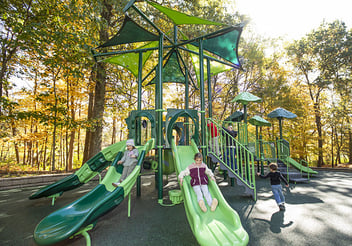
When families visit a playground, they expect a fun, active and safe environment for children to explore. But in Texas and throughout the South, playground safety involves more than just equipment design and fall protection. Rising temperatures and intense sun exposure have made thermal safety one of the most important considerations in modern playground planning.
From overheated slides and climbing structures to scorching rubber surfacing, excessive heat can quickly turn a playground into an unsafe environment. Today’s parks, schools, HOAs, churches and municipalities are placing greater emphasis on creating cooler, more comfortable playgrounds that encourage outdoor activity even during warmer months.
At Park Place Recreation, Inc., designing playgrounds for Texas communities means balancing safety, durability, accessibility and comfort. As playground technology evolves, thermal-conscious design is becoming a major priority for community spaces across the region.
Why Playground Thermal Safety Matters
Children are more vulnerable to heat-related injuries than adults. Their skin is thinner and more sensitive, meaning hot playground surfaces can cause burns much faster than many people realize.
Research has shown that playground surfaces and equipment exposed to direct sunlight can reach dangerous temperatures during peak heat hours. Some studies report that when outdoor temperatures reach around 90°F, certain playground materials may exceed 150°F in direct sunlight.
Rubber surfacing, dark-colored plastics, metal components and synthetic turf can all retain heat throughout the day. In some cases, burns may occur after only a few seconds of contact.
This issue is especially important in South Texas, where summer temperatures regularly climb into the upper 90s and triple digits. Playgrounds without adequate shade or heat-conscious materials may become difficult or even unsafe for children to use during much of the day.
Thermal safety is no longer viewed as an optional feature. It is becoming an essential part of responsible playground design.
The Growing Importance of Outdoor Play
Despite increasing heat concerns, outdoor play remains critically important for child development.
According to the CDC, more than 200,000 children are treated in emergency departments each year for playground-related injuries, making playground safety and proper design extremely important.
At the same time, experts continue to emphasize the physical, social and emotional benefits of outdoor play. Playgrounds help children develop:
- Coordination and motor skills
- Social interaction abilities
- Creativity and imagination
- Confidence and independence
- Physical fitness and activity habits
The goal is not to reduce outdoor play, but to make playground environments safer and more comfortable year-round.
This is why modern playground design increasingly focuses on heat mitigation strategies that allow children to stay active while minimizing exposure to dangerous surface temperatures.
How Playground Materials Affect Heat
Not all playground materials respond to heat the same way. Material selection can significantly impact surface temperatures and overall comfort levels.
Metal Components:
Metal slides, handrails, climbers and bridges absorb and conduct heat quickly. In direct sun, metal surfaces can become extremely hot and may lead to contact burns.
Modern playground designs often reduce exposed metal touchpoints or incorporate protective coatings and shading to minimize risk.
Dark-Colored Plastics:
Plastic playground components generally stay cooler than metal, but darker colors absorb more heat from sunlight. Brightly colored or lighter-toned materials often perform better in hot climates.
Rubber Surfacing:
Poured-in-place rubber and rubber tiles are popular because they provide excellent impact attenuation and accessibility. However, some rubber surfaces can retain substantial heat during peak sun exposure.
The National Program for Play Area Safety notes that thermal hazards associated with playground surfacing are becoming an increasingly important concern.
Synthetic Turf:
Artificial turf systems can also become significantly hotter than natural grass, especially when installed without cooling technologies or nearby shade structures.
Natural Materials:
Wood fiber, engineered mulch and natural grass may stay cooler than some synthetic surfaces, though they can require additional maintenance depending on usage and climate conditions.
Choosing the right combination of materials is one of the most effective ways to improve playground thermal safety.
Shade Structures are Becoming Essential
One of the most effective ways to reduce playground temperatures is through strategic shade design.
Modern playground projects increasingly incorporate:
- Fabric shade structures
- Integrated canopy systems
- Tree placement
- Covered seating areas
- Shade sails
- Pavilion structures
Shaded playground equipment can remain dramatically cooler than equipment exposed to direct sunlight. Even partial shade coverage can make a major difference in surface temperatures and user comfort.
Shade also helps:
- Extend equipment lifespan
- Reduce UV exposure
- Improve visitor comfort
- Encourage longer play sessions
- Support ADA accessibility by reducing heat stress
In Texas communities, shade planning is often one of the most valuable long-term investments in playground usability.
Designing Playgrounds for South Texas Heat
Playgrounds in South Texas face unique environmental challenges. High UV exposure, intense summer heat and prolonged sun exposure all influence how playgrounds should be designed.
Heat-conscious playground planning may include:
- Orienting equipment to reduce afternoon sun exposure
- Incorporating ventilation and airflow
- Selecting lighter-colored materials
- Installing shade over high-contact areas
- Using cooling surfacing technologies
- Adding water play elements or misting features
- Designing rest zones with benches and covered seating
Communities are increasingly looking for playgrounds that remain usable throughout more of the day, not just during early mornings or evenings.
This shift is driving demand for smarter, climate-conscious recreation environments.
Safety Surfacing Still Matters
While thermal safety is important, impact protection remains equally critical.
Falls continue to be the leading cause of playground injuries. Research indicates that approximately 70% to 80% of playground injuries are related to falls onto playground surfaces.
That means playground surfacing must balance two important goals:
- Reducing fall-related injuries
- Managing heat exposure
Today’s playground designers work carefully to identify surfacing systems that meet ASTM and CPSC safety standards while also improving thermal performance whenever possible.
The right surfacing system depends on:
- Playground size
- User age groups
- Accessibility goals
- Maintenance expectations
- Climate conditions
- Budget considerations
A properly designed playground should support both injury prevention and thermal comfort.
Inclusive and Comfortable Play Environments
Thermal safety also plays an important role in inclusive playground design.
Children with sensory sensitivities, mobility challenges or medical conditions may be more vulnerable to excessive heat. Accessible playgrounds should include:
- Cool-down spaces
- Shaded transfer points
- Comfortable seating
- Accessible pathways
- Sensory-friendly shaded zones
Creating comfortable environments encourages longer visits and ensures more children can safely enjoy outdoor recreation.
As inclusive playground design continues to evolve, thermal comfort is becoming an increasingly important factor in accessibility planning.
The Future of Playground Design
The future of playgrounds is moving toward smarter, safer and more climate-responsive environments.
Communities are prioritizing:
- Sustainable materials
- Heat-reducing surfacing
- Expanded shade coverage
- Nature-inspired play
- Inclusive design
- Water-conscious cooling solutions
- Durable low-maintenance systems
As temperatures continue to rise across many regions, thermal safety will remain a major focus for parks and recreation professionals.
Playgrounds should be spaces where children can explore, socialize and stay active safely, even during South Texas summers.
Creating Cooler Play Experiences with Park Place Recreation
At Park Place Recreation, Inc., creating safe and engaging playgrounds means designing spaces that work for real communities and real climates. From shade integration and surfacing solutions to innovative playground layouts, thoughtful design can help reduce heat risks while supporting active outdoor play.
Whether planning a new community playground, school campus, church recreation area or park renovation, thermal safety should be part of every conversation.
A well-designed playground does more than look great. It helps families stay active, comfortable and connected throughout the year. Contact Park Place Recreation, Inc. today to learn how smarter playground design can help keep your community cool, comfortable and ready to play.